Neuroinclusion: tech tools are great, but culture is key
I am one of the 15 to 20% of the world’s population who can be defined as neurodivergent. Neurodivergence is natural variation in how our brains are wired, and it covers diagnoses including ADHD, autism, dyslexia and dyspraxia.
Being ‘neurotypical’ is a construct, and neurodivergence is a difference, not a deficit. But that difference can be hard to carry in environments where the systems and processes we navigate rarely allow for a different way of processing or fit the way we work. It is exhausting, and it leads to staggering rates of burnout.
I spend my working life championing neuroinclusion, leading a wonderfully diverse team to empower young people and upskill organisations. It is a brilliant, mission led job, and it is the first time in my squiggly career journey that I have celebrated the way my brain works.
Tech as a tool
When we talk about making workplaces more accessible for neurodivergent employees, we often reach for tech. Screen readers. AI note takers. AI agents. Calendar reminders. Whether they are tools we choose for ourselves or part of a formal adjustment package, neurodivergent brains often rely on tech to make working in a neurotypical world achievable.
I am no exception. I use an AI agent every day to help me focus, and it is counting down the minutes I have given this blog as I type.
Neurodivergence in the tech industry
I can see exactly why neurodivergent brains are drawn to tech. It rewards pattern recognition, deep focus, systems thinking and original ideas, and there is a role for every kind of brain. Which is why I was not surprised to read, in the Tech Talent Charter’s Diversity in Tech report, that around half of tech workers identify as neurodivergent. I was alarmed, though, that the same employers estimate just 3% of their workforce are.
That disparity brought to mind an interview a colleague recently carried out with Jake, a neurodivergent employee we have been working with.
Jake is a talented programmer. He pushed himself through a computer science masters until, in his words, it “led to burnout”. He dropped out, and for nearly two years could not even face filling in a job application. When he did return to work, it was at a tech startup with what he describes as “a very harsh expectation” and little room for wellbeing. It was only when he moved somewhere with real support and “a very big focus on health and wellbeing” that things changed. “I was really able to apply myself to my own strengths and the ways that make me unique,” he said. Same person, same skill, different culture.
Does the tech industry rely on tools more than culture?
Jake had every technical skill his employers needed. What was lacking, until he found the right place, was a culture that felt psychologically safe, and no tool could have fixed that. And Jake is not unusual. A recent NeuroBridge report found that neuroinclusion was the strongest single predictor of wellbeing across a whole workforce, ahead of diversity, inclusion and training initiatives, and that 58% of those who stay silent at work do so for fear of discrimination and stigma.
Because neurodivergence is a human experience, and a human experience needs human connection and an environment of psychological safety. You cannot build that with tech. You build it with conversation, with understanding, and with transparency.
Tech tools absolutely have their place. I rely heavily on mine, and we have even built one of our own, with Professor Ian Burn at the University of Liverpool, to help employers make their recruitment more accessible. But they should never replace inclusive workplace culture.
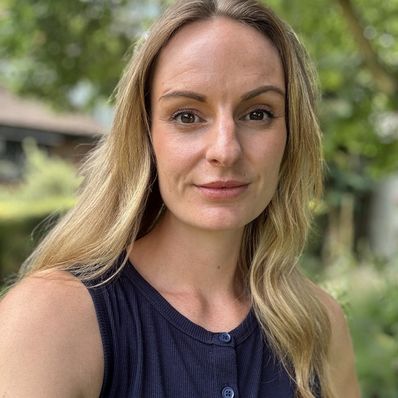
Rosie Whitehead
Chief Operating Officer, The Mason Foundation
Rosie Whitehead
Chief Operating Officer, The Mason Foundation
As COO, Rosie is responsible for ensuring the smooth running of The Foundation and leading engagement with partners, stakeholders, and funders. Rosie is committed to making a difference to the wellbeing of communities and this determination has formed the blueprint of her career.
Rosie attended the University of Greenwich, where she graduated with a degree in Events Management. It was here where she learnt to embrace a spreadsheet, a practice that translates in her exceptional organisational skills. After leaving University, Rosie began working for one of the UK’s leading Automotive PR agencies as an Events Executive. However, she soon realised she wanted to pursue a career that focused on supporting others.
Rosie has enjoyed various roles within the third sector and in 2017, began working for Red Zebra Community Solutions, where she successfully managed a project in Medway with a focus on community engagement and health improvement. Subsequently, Rosie was promoted to their Head of Operations in 2019 but did not lose her enthusiasm for supporting marginalised communities.
techUK's Skills, Talent and Diversity Programme activities
techUK work with our members to signpost the opportunity of digital jobs and ensure these opportunities are open to people of diverse backgrounds. We strive to help our members attract, recruit, and retain a diverse workforce, whilst showcasing their work on workplace innovation. Visit the programme page here.
Jobs and Skills
To make sure that the UK is a world-leading digital economy that works for everyone, it is crucial that people have the digital skills needed for life and work. Rapid digitalisation is creating surging demand for digital skills across the economy and the current domestic skills pipeline cannot keep up. Digitalisation is also leading to rapid changes in the labour market that means some traditional roles are being displaced. There is an urgent need to better match the demand and supply.
The future of work is changing. Technology is powering a growth in flexible work across the economy, whilst emerging technologies such as robotics and AI are set to become common place. techUK believes the UK must consider the implications of digital transformation in the world of work now, equipping people and businesses across the country with the skills and conditions needed to take advantage of the opportunities presented by the 4IR.
Diversity and inclusion sits at the heart of digital growth. The tech sector understands that innovation thrives from diversity of thought and is continually looking to attract, recruit and retain a diverse workforce. techUK is proud to support a number of initiatives that promote this, from doing outreach work to ensure that people regardless of their background are inspired into tech, to initiatives that help build more inclusive workplaces for those with different accessibility needs.
Returners programmes offer a supported bridge back to work for people who have taken a career break. Providing ways for people to ease back into work after a career break is a vital way to make sure we do not lose out on their talent and experience. The techUK returners hub was created as a one-stop-shop for people looking to return to a career in digital.
Our members develop strong networks, build meaningful partnerships and grow their businesses as we all work together to create a thriving environment where industry, government and stakeholders come together to realise the positive outcomes tech can deliver.
As COO, Rosie is responsible for ensuring the smooth running of The Foundation and leading engagement with partners, stakeholders, and funders. Rosie is committed to making a difference to the wellbeing of communities and this determination has formed the blueprint of her career.
Rosie attended the University of Greenwich, where she graduated with a degree in Events Management. It was here where she learnt to embrace a spreadsheet, a practice that translates in her exceptional organisational skills. After leaving University, Rosie began working for one of the UK’s leading Automotive PR agencies as an Events Executive. However, she soon realised she wanted to pursue a career that focused on supporting others.
Rosie has enjoyed various roles within the third sector and in 2017, began working for Red Zebra Community Solutions, where she successfully managed a project in Medway with a focus on community engagement and health improvement. Subsequently, Rosie was promoted to their Head of Operations in 2019 but did not lose her enthusiasm for supporting marginalised communities.