Generation Founder: Supporting the UK’s Next Wave of Young Innovators
Samsung explores new research into UK teen entrepreneurship and how education and industry can support the next generation of innovators.
New research commissioned by Samsung reveals a striking picture of ambition among young people in the UK. More than 200,000 teenagers aged 14 to 18 already identify as founders - signalling a shift in how this generation approaches work, creativity and impact. Many are turning to technology to tackle real-world problems, with 15% citing this as their primary motivation.
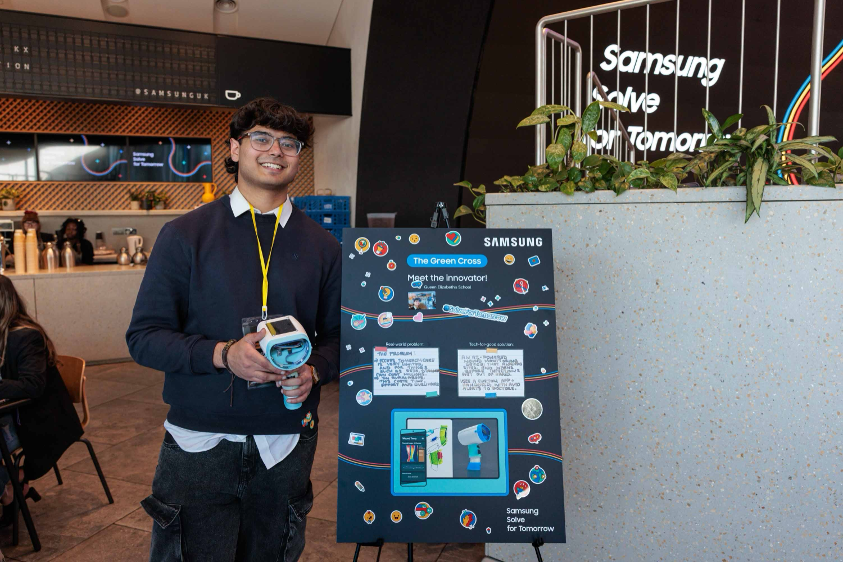
Yet ambition is being constrained. 90% of UK teens say they face barriers to starting or growing a business, limiting their ability to turn ideas into meaningful impact.
A generation already in motion
This is a generation that does not wait for permission to learn. Teen founders are building skills beyond the classroom through social media, online communities and independent learning. Notably, 84% are already using AI tools to support their ventures - from generating ideas to automating tasks. The research also reveals the scale of that ambition: social and environmental issues dominate young founders’ motivations, with 15% citing tech-for-good as their primary driver – a finding that underscores why purpose-led learning resonates so strongly with this age group.
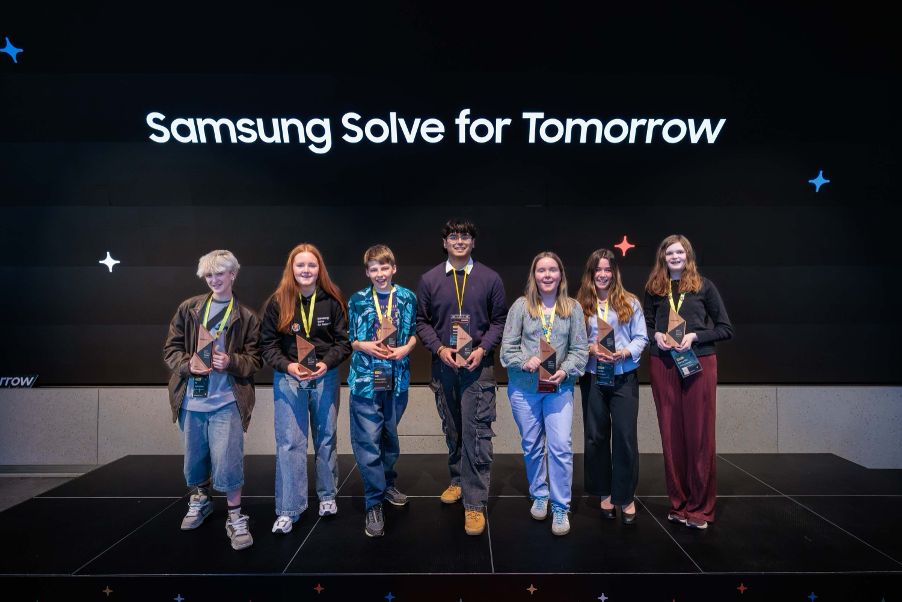
Together, these behaviours point to a generation that is proactive, digitally fluent and motivated by real-world problem-solving. The challenge is not a lack of ambition, but ensuring the right structures are in place to support it.
Programmes like Samsung Solve for Tomorrow show what becomes possible when the right support is in place – and the programme’s own data bears this out. In 2025/26, Samsung Solve for Tomorrow reached over 84,000 young people across the UK, with participants reporting significant gains in confidence (rising from 45% to 73%) and in core skills including creativity, collaboration and self-management (43% to 65%).
These students did not begin as experts - they started with problems they cared about. With the right structure and support, they were able to turn those ideas into practical solutions. This reflects a core principle: creative problem-solving is a skill that can be learned.
What this means for education and policy
This research point to a clear opportunity to strengthen how young people are supported to develop future-ready skills - particularly as design and technology provision declines, demand for industry exposure grows, and the digital skills gap widens.
There are four areas where progress can have the greatest impact:
Connecting learning to real-world application
Experiences that link classroom learning to real-world challenges enable students to apply knowledge in meaningful ways - improving engagement, confidence and retention. The updated statutory careers guidance and Gatsby Benchmarks move in this direction, but the case for embedding applied problem-solving more deeply, particularly design and technology, will be key.
Supporting AI and digital capability
Students already experimenting with AI. Schools now need the support to harness this effectively. Investment in teacher confidence and ongoing professional development will ensure these tools are used responsibly and to their full potential.
Expanding access to structured experiences
Programmes that combine creativity, problem-solving and real-world challenges complement classroom learning. In 2025/26, Samsung Solve for Tomorrow reached 73,740 young people across the UK. Participants reported significant gains in confidence (45% to 73%) and core skills including creativity, collaboration and self-management (43% to 65%). When programmes are free, curriculum-aligned and easy to deliver, their reach and impact can scale quickly.
Strengthening collaboration between education and industry
Partnerships between schools and industry are critical to expanding opportunity. They bring real-world context, mentorship and expertise into the classroom. Encouragingly, 95% of participating teachers would recommend Solve for Tomorrow - a testament to what effective collaboration can achieve.
Building on strong foundations
The UK’s education system is powered by teachers who support young people to grow in confidence and capability. What this research shows is the scale of ambition already there - and the opportunity to build on it.
Stronger collaboration between education and industry can help ensure every young person has access to the tools, experiences and inspiration they need. The tech sector depends on a generation equipped with creativity, empathy and problem-solving skills - and schools are where that begins.
With the right support, this generation won’t just prepare for the future - they will shape it.
Samsung Solve for Tomorrow reopens for registrations in June. Teachers can register their interest now at SolveforTomorrowUK.com.
techUK's Skills, Talent and Diversity Programme activities
techUK work with our members to signpost the opportunity of digital jobs and ensure these opportunities are open to people of diverse backgrounds. We strive to help our members attract, recruit, and retain a diverse workforce, whilst showcasing their work on workplace innovation. Visit the programme page here.
Upcoming events
Learn more and get involved
Skills, Talent and Diversity updates
Sign-up to get the latest updates and opportunities from our Skills, Talent and Diversity programme.