


Smart Infrastructure and Systems Programme activities
techUK champion the role of technology in driving positive outcomes in our built infrastructure; from hitting net zero goals to improving safety. In doing so, we also optimise the commercial and regulatory landscape to ensure innovation in infrastructure can flourish. Visit the programme page here
Upcoming events


Digital and IT Professional Services (DIPS) 2: pre-market engagement - 5 October
London and online Industry Briefing
Law tech procurement: opportunities and challenges for tech and legal sectors
Online WebinarLatest news and insights


Learn more and get involved
Smart Infrastructure and Systems updates
Sign-up to get the latest updates and opportunities from our Smart Infrastructure and Systems programme.
Meet the team

Robert Price
Robert Price
Robert joined techUK in January 2025 as our Programme Manager for Transport and Mobility.
He works on a wide range of areas across road, rail, aviation, and maritime, with an overarching focus on enabling, advocating, and championing the technological innovations that will build the transport systems of the future.
Prior to this role, Robert worked in the House of Commons for a Member of Parliament and in public affairs roles in both agency and trade association settings. He holds a Philosophy, Politics, and Economics degree from the University of Oxford as well as a Graduate Diploma in Law.
- Email:
- [email protected]
- Phone:
- 020 7331 2000
- Website:
- www.techuk.org
- LinkedIn:
- https://www.linkedin.com/in/rjlprice/
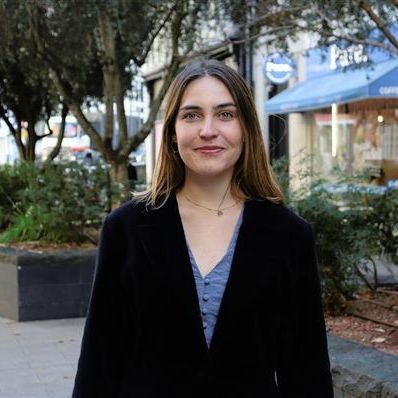
Jade van Zuydam
Jade van Zuydam
Jade joined techUK in September 2025, leading our data centres work on energy and water. As Junior Programme Manager, she works with industry and government to shape policy and advance sustainability, resilience and the UK’s net zero goals.
She brings a background in research, journalism and advocacy. Prior to joining techUK, Jade worked at The Economist developing international conferences to debate the most important ideas of our time, before moving into freelance journalism for their daily newsletter, The World in Brief. Her writing explores the intersection of environmental and social justice issues, from climate litigation and energy grids to sustainable agriculture. As programme manager at Digital Leaders, she engaged a network of over 100,000 members on digital transformation and its implications for policy, public services and decarbonisation.
Jade holds an MSc in Environment, Politics and Development from SOAS University of London, and a BA (Hons) in History and International Relations from the University of Exeter.

Lucas Banach
Lucas Banach
Lucas Banach is Programme Assistant at techUK, he works on a range of programmes including Data Centres; Climate, Environment & Sustainability; Market Access and Smart Infrastructure and Systems.
Before that Lucas who joined in 2008, held various roles in our organisation, which included his role as Office Executive, Groups and Concept Viability Administrator, and most recently he worked as Programme Executive for Public Sector. He has a postgraduate degree in International Relations from the Andrzej Frycz-Modrzewski Cracow University.
- Email:
- [email protected]
- Phone:
- 020 7331 2006
- Twitter:
- @techUK
- Website:
- www.techuk.org
- LinkedIn:
- https://www.linkedin.com/in/lucas-banach-50139650