Smart Infrastructure & Systems
Our Smart Infrastructure and Systems Programme brings together industry, infrastructure operators, government and regulators to shape infrastructure policy and accelerate technology deployment across transport, energy and utilities. Our focus:
- Shaping infrastructure innovation across energy, transport and utilities
- Supporting the UK's shift to net zero infrastructure
- Connecting technology and infrastructure across the UK
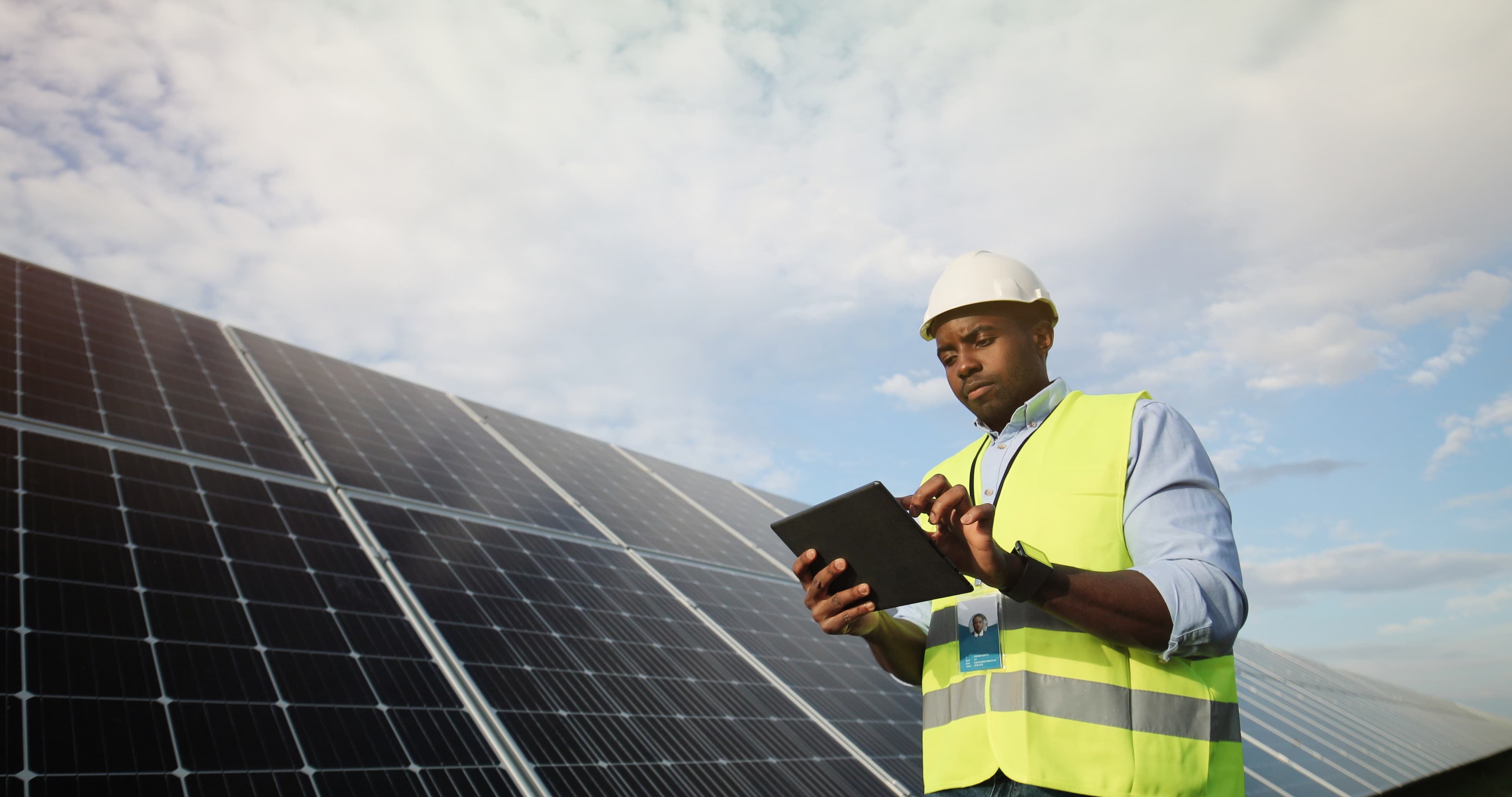
Technology is transforming how utilities, transport and infrastructure work
Britain's infrastructure is changing fast. Multi-modal transport, sweeping reform of the water sector, and a shift towards a flexible, renewably-powered grid. Delivering all of this depends heavily on widespread digital adoption, so infrastructure becomes more data-driven and connected, giving the UK a system that is more agile, better integrated and more decentralised.
We have two big roles to play here. The first is shaping the policy and regulatory decisions that affect tech. The second is helping create the market conditions that will let our members scale their solutions across energy, water and transport.
We work with regulators like Ofgem on energy pricing, and with parliamentarians to ensure future transport legislation will support the rollout of connected and autonomous vehicles. We also work closely with the Department for Energy Security and Net Zero (DESNZ), the Department for Transport (DfT) and the Department for Environment, Food and Rural Affairs (Defra) to show where and how tech can cut costs, build resilience, reduce carbon and deliver more efficient infrastructure.
This programme sits within our wider work on digital infrastructure and cloud, connecting the technology, policy and market activity shaping smart, sustainable and resilient infrastructure across the UK.
Influence policy
We work with government, regulators and infrastructure stakeholders to create the commercial and regulatory conditions needed for wide-scale digital adoption across transport, energy, utilities and the built environment. We've helped establish a legal framework for automated vehicles and successfully shaped energy policy.
Access sector insight
We help organisations identify opportunities, manage risks and understand the political, economic and technological changes shaping infrastructure markets through Smart Infrastructure & Systems. Exclusive briefings, events and insight give members the market intelligence they need to compete in a fast-moving sector.
Build strategic partnerships
We connect technology providers, infrastructure owners, policymakers and regulators through networking, roundtables and market engagement events. These connections help members collaborate, generate commercial advantage and demonstrate the value of technology-enabled infrastructure.
Join the programme
Join our Smart Infrastructure & Systems programme and help deliver smarter, more resilient and sustainable infrastructure across the UK. Members can influence policy, access sector insight, build strategic partnerships and support innovations that drive net zero, improve safety and generate long-term commercial value.
Related insights
VIEW ALLRelated policy views
VIEW ALLGroups
VIEW ALLData Centres Energy Working Group
Focused on ensuring that the UK’s energy policy and infrastructure planning effectively supports the rapid growth and sustainability of data centres.
Energy Digitalisation Working Group
Uniting members focused on accelerating the digital transformation of the UK’s energy system
Rail Policy Working Group
Bringing together businesses from across the membership to support and inform techUK’s work on the rail sector.
Self-Driving Vehicles Working Group
The SDV-WG is made-up of businesses on a mission to support the deployment of self-driving vehicles on UK roads.
Smart Energy and Utilities Steering Board
Water Digitalisation Working Group
Bringing together members to explore how digital technologies can address challenges in the UK water sector
Programme specialists
Meet the team
Katie Davies
Head - Energy and Infrastructure Policy
Katie is Head of Energy and Infrastructure Policy, leading work spanning energy usage and costs, grid connections, electricity market reform, and water digitalisation. She is covering for Teodora Kaneva who is currently on maternity leave. Katie joined techUK from Seahorse Environmental, where she led sustainability-focused public affairs and communications campaigns, with a particular emphasis on decarbonisation, renewable energy, clean transport, and water regulation. Before that, she was a journalist at IJGlobal, reporting on renewable energy mergers and acquisitions.

Robert Price
Programme Manager - Transport & Mobility
Robert joined techUK in January 2025 as our Programme Manager for Transport and Mobility. He works on a wide range of areas across road, rail, aviation, and maritime, with an overarching focus on enabling, advocating, and championing the technological innovations that will build the transport systems of the future. Prior to this role, Robert worked in the House of Commons for a Member of Parliament and in public affairs roles in both agency and trade association settings. He holds a Philosophy, Politics, and Economics degree from the University of Oxford as well as a Graduate Diploma in Law.

Jade Van Zuydam
Junior Programme Manager - Energy and Utilities
Jade joined techUK in September 2025, leading our data centres work on energy and water. As Junior Programme Manager, she works with industry and government to shape policy and advance sustainability, resilience and the UK’s net zero goals. She brings a background in research, journalism and advocacy. Prior to joining techUK, Jade worked at The Economist developing international conferences to debate the most important ideas of our time, before moving into freelance journalism for their daily newsletter, The World in Brief. Her writing explores the intersection of environmental and social justice issues, from climate litigation and energy grids to sustainable agriculture. As programme manager at Digital Leaders, she engaged a network of over 100,000 members on digital transformation and its implications for policy, public services and decarbonisation. Jade holds an MSc in Environment, Politics and Development from SOAS University of London, and a BA (Hons) in History and International Relations from the University of Exeter.