By providing expertise and insight, we support our members, partners and stakeholders as they prepare the UK for what comes next in a constantly changing world. Check out our latest news and views, industry insights, reports and more here.
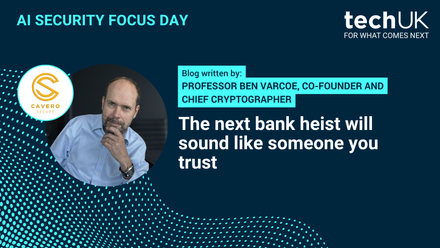
AI can now imitate voices, messages and trusted relationships. Defending against it means proving identity and authority for every action, not just checking another credential.
Professor Ben Varcoe, Co-Founder and Chief Cryptographer, Cavero Secure