Transforming rare condition care: the power of integrated digital care
The challenge of fragmented care for rare conditions
Rare and underserved conditions, such as Haemoglobinopathies (including sickle cell and thalassaemia), present a significant challenge for healthcare systems. Currently, care for these complex, chronic conditions is often fragmented. Critical patient data is scattered across disparate systems, forcing clinicians to waste valuable time aggregating information for diagnosis, treatment, and ongoing management. This inefficiency doesn't just impact clinician workload; it directly affects patient experience and outcomes.
Patients typically rely on traditional clinic appointments, phone calls, and, alarmingly, emergency department (A&E) visits as their primary points of contact. This lack of seamless, digital communication and data-sharing across acute, community, and specialist care settings contributes to unnecessary clinic attendance, avoidable A&E visits, and limited patient empowerment. In short, many rare conditions are significantly underserved by modern IT solutions designed to support the complex, in-depth data recording and reporting they require.
The digital shift to integrated care
A critical priority for the NHS, aligning with the NHS 10 Year Plan, is to leverage technology to break down these information and organisational silos. By implementing integrated digital care solutions, the industry can move from fragmented processes to a unified, patient-centred approach. This means developing platforms that are co-designed with all users - consultants, nurses, community carers, and patients - to truly reflect the real-world requirements of complex care pathways.
The key to this transformation is providing a single, accurate, and comprehensive source of clinical information to all necessary parties.
Key benefits of a unified digital care pathway
An integrated digital solution delivers transformative benefits by enhancing communication, efficiency, and patient engagement across the entire care continuum:
Improved efficiency and resource utilisation: By consolidating all required data - from medication tracking to acute complications - clinicians can access all necessary information immediately. This dramatically reduces the time wasted gathering data, freeing up time in clinics and Multi-Disciplinary Team (MDT) meetings. For example, annual reviews, which currently involve considerable time spent on data gathering, can become optimally focused on patient consultation.
Enhanced patient empowerment and safety: Digital patient portals enable individuals to receive and submit health questionnaires (PROMs/PREMs), view their clinical record, and communicate directly with their clinical teams. This two-way communication allows for earlier intervention for adverse events, potentially avoiding A&E attendances by enabling patients to connect directly with the specialist on-call team.
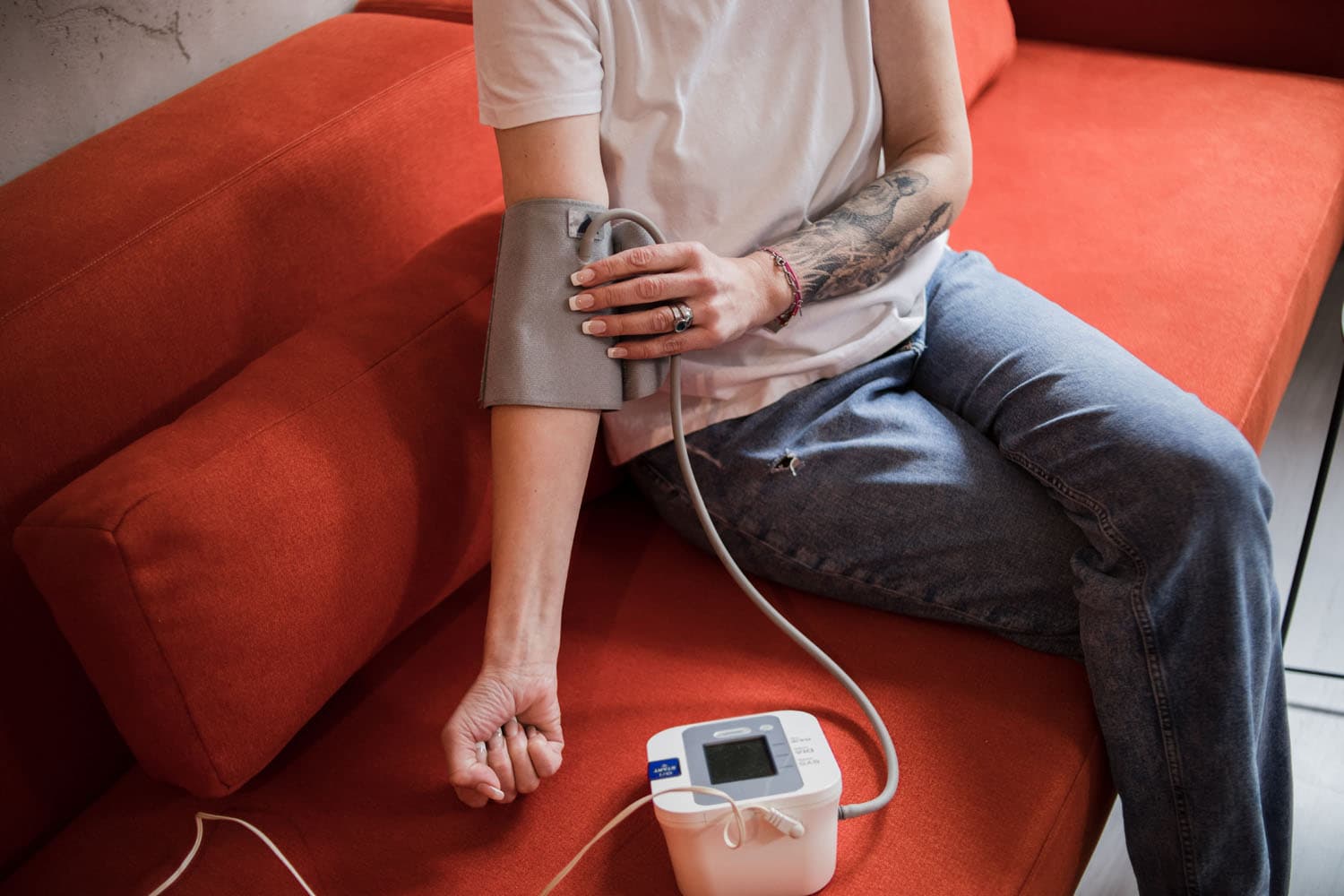
Better clinical outcomes: The ability to remotely monitor all patients with a chronic condition, combined with the intelligent driving of care protocols, ensures consistency and allows for proactive management. This focus on seamless, continuous care helps prevent conditions from worsening and supports better adherence to treatment plans.
Future-proofing care: Implementing a unified digital pathway addresses health inequalities in rare diseases and establishes the foundational data architecture necessary for future innovations, such as the application of AI, to further optimise patient care and resource allocation.
The future
By focusing on integrated, cross-organisational, and patient-centred care processes, ProtoFlex is paving the way for a new era in the management of complex, underserved rare conditions. This digital transformation is vital to ensure that all patients, regardless of the rarity of their condition, receive efficient, high-quality, and connected care.
Links for further reading
https://www.england.nhs.uk/long-term-plan/ https://www.gov.uk/government/publications/10-year-health-plan-for-england-fit-for-the-future/fit-for-the-future-10-year-health-plan-for-england-executive-summary#from-hospital-to-community-the-neighbourhood-health-service-designed-around-you