Event roundup: Yorkshire Telecoms Showcase

In June 2026, techUK was pleased to host, in partnership with Liberty Blume, the Yorkshire Telecoms Showcase in Leeds, bringing together industry, local government, investors, academia and innovators to explore how advanced connectivity and digital infrastructure can drive inclusive economic growth across the region.
The fifth in a series of regional digital infrastructure events led by techUK's Telecoms Programme, following London, the North West, South West and West Midlands, the Showcase placed Yorkshire's digital infrastructure story in a national context, taking stock of progress, tackling shared challenges and charting a course for what comes next.
West Yorkshire’s vision
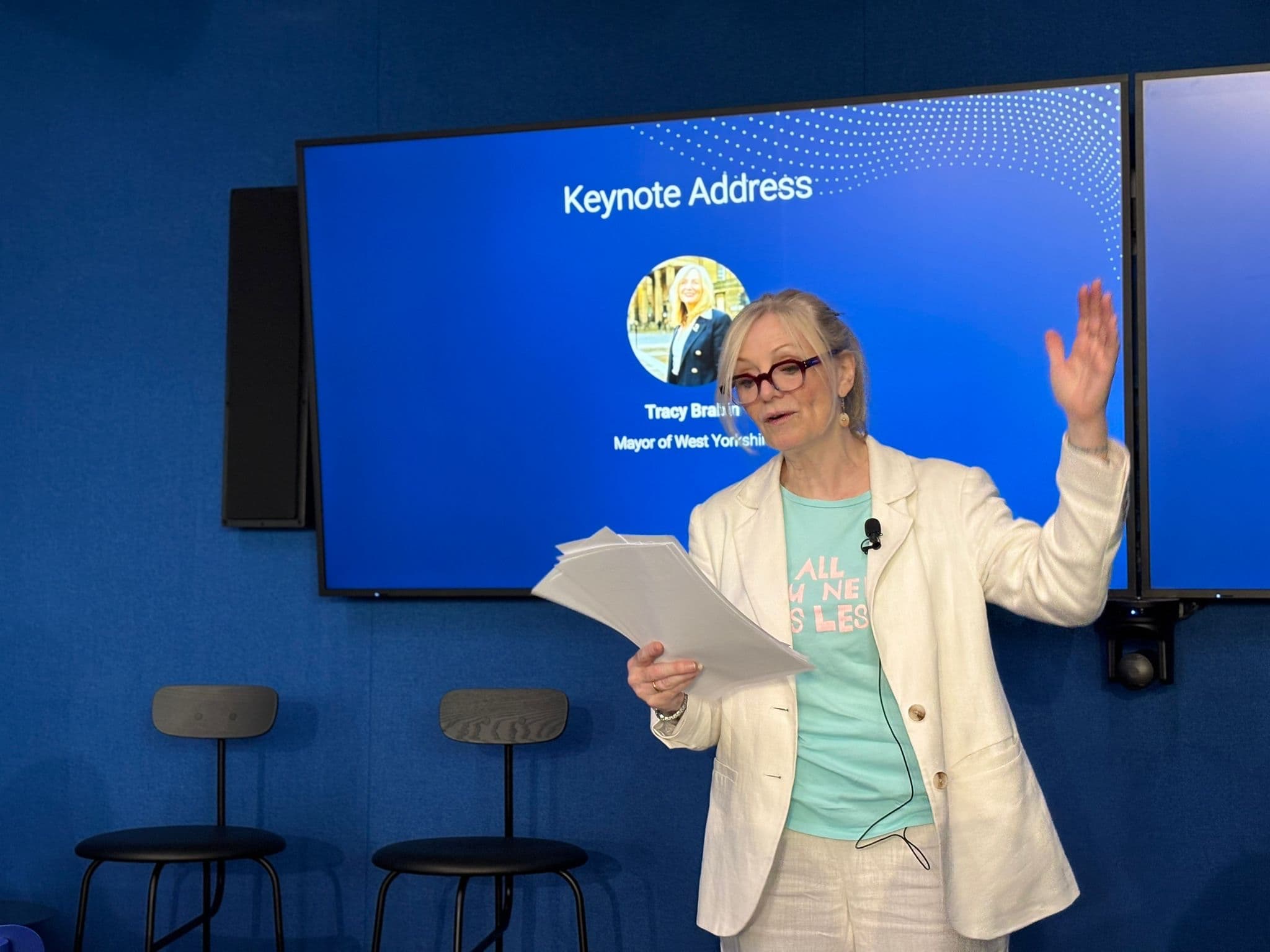
As our keynote speaker, Tracy Brabin, Mayor of West Yorkshire, set out a vision for the future of digital infrastructure in the UK and the region's central role within it. She spoke to the importance of connectivity as an enabler of modern public services, of economic growth, and, in particular, of digital inclusion and equality, ensuring no community is left behind as West Yorkshire and the wider region connects. The Mayor also championed the cities and people of Yorkshire as hubs of talent, ambition and innovation, and a foundation on which the region's digital future can be built.
Infrastructure deployment
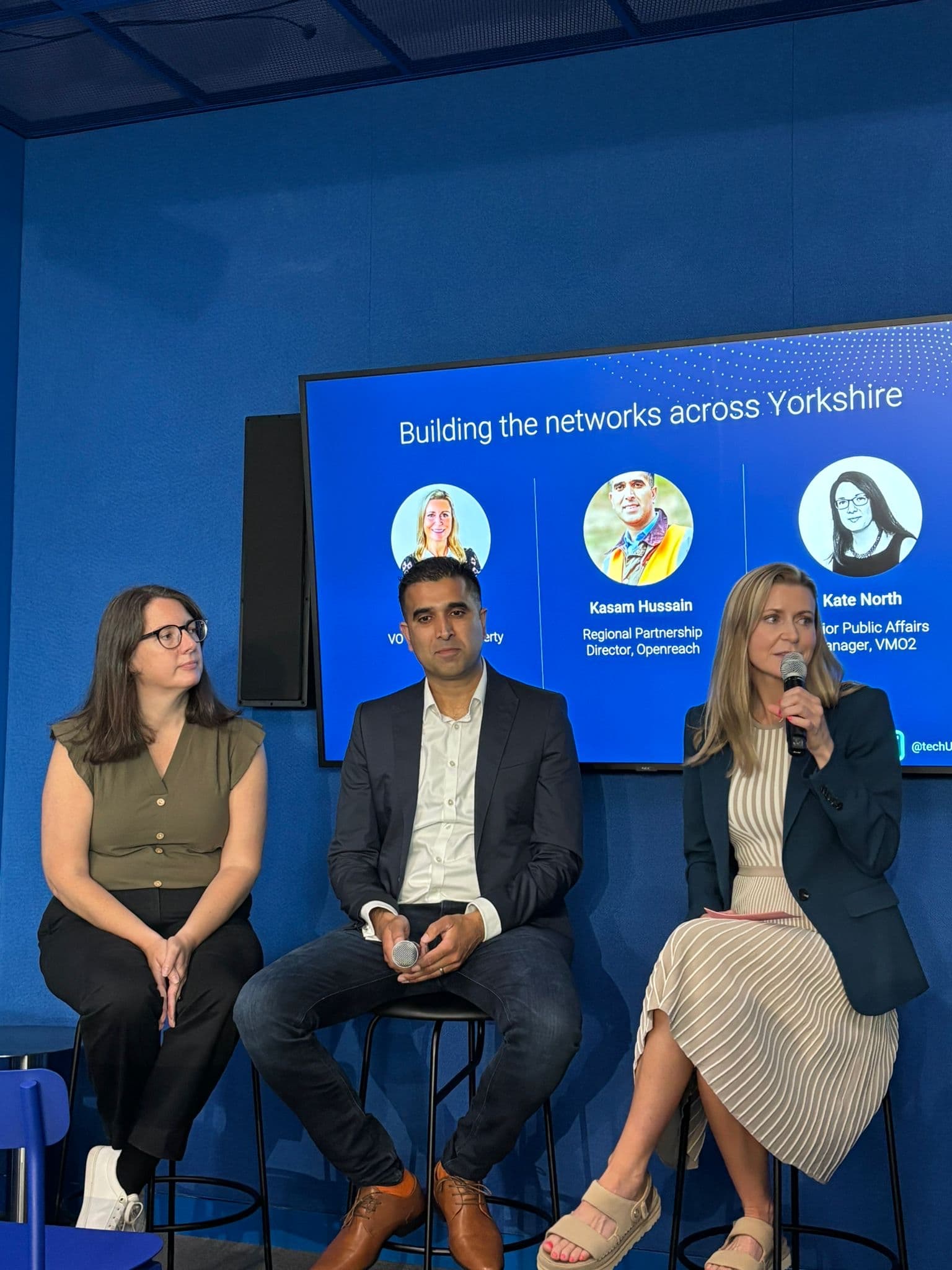
Our first session focused on building the networks across Yorkshire. A panel featuring Chloe Wood (Liberty Blume), Kasam Hussain (Openreach) and Kate North (VMO2) explored the practicalities of deploying connectivity at pace and scale across a region of both bustling cities and vast rural areas. The discussion probed whether deploying in Yorkshire is genuinely different from elsewhere in the UK or simply the same challenges on a different map, and what, if anything, makes the region unique. Panellists reflected on how operators have adapted their operations and technology to meet the demands of rapid rollout, and which legacy processes have had to be left behind. The session closed by looking ahead to what the UK's telecoms market might look like in five years as it consolidates and evolves.
Dan Hague, Director Contract and Programme Delivery at Quickline Communications, then delivered a project spotlight on delivering Project Gigabit in Yorkshire, sharing lessons from rolling out gigabit-capable connectivity across the region and the work of delivering four UK Government contracts across Yorkshire and Lincolnshire - a fibre build reaching some 400,000 homes, including around 130,000 funded premises, backed by approximately £270m of government funding. Dan also highlighted the social value created alongside the network as a key part of their work.
Data and digital infrastructure
Attention then turned to the role of data in deployment. An insight talk with Katie Todd (Liberty Blume) and Martin Owens (Barnsley Council) explored how data is currently used to prioritise and sequence network deployment decisions, and how advances in analytics and mapping tools are changing the way infrastructure planning is done. The session looked in particular at the mobile mapping work under way in South Yorkshire, what it involves, and how its findings will guide future investment and deployment across the region. The conversation also turned to the barriers that still hold the ecosystem back, including data sharing between operators, local authorities and government, and what a more data-driven, joined-up approach to deployment planning could look like in practice.
The session continued with an Innovation Spotlight showcasing the region's research and innovation pipeline, with three contributions.
Paul Coffey, Chair of the Lab of the North, set out how the Lab is de-risking the journey from innovation to real-world connectivity. A connected innovation hub bridging research, industry, infrastructure providers and the public sector, the Lab offers a structured pathway from concept to deployment, helping good ideas cross the "valley of death" into operational use through testbeds, funding navigation and specialist advisory support.
The University of Bradford team - Professor Vishanth Weerakkody, Dr Jing Li and Dr Kamran Mahroof - then presented their work on the EU-funded 6G-Path project, under the theme "6G: Beyond Speed, Towards Human Value." Rather than leading with raw performance, they argued for starting from the value people gain and working back to the technology, illustrated through real pilots spanning rural education, healthcare, smart farming, smart cities and emergency response.
Finally, Jonathan Hopewell of aql spoke to the theme of "Powering a Connected Society," drawing on aql's Leeds roots and its role in regional and national connectivity, data centres and sustainable infrastructure; including innovative approaches such as using recovered data centre heat to warm local homes.
Digital infrastructure in practice
After a networking lunch, the focus moved to connectivity in action. In a case study on connectivity enabling public services, Adrian Walker, Transformation Services Manager at Bradford Council, showcased Virtual Bradford - a digital twin of the city, developed with the University of Bradford and embedded in the Council's Digital Strategy. Adrian set the work in the context of Bradford's wider ambitions as 2025 UK City of Culture and its regeneration plans, and pointed to its growing national profile, including at UKREiiF.
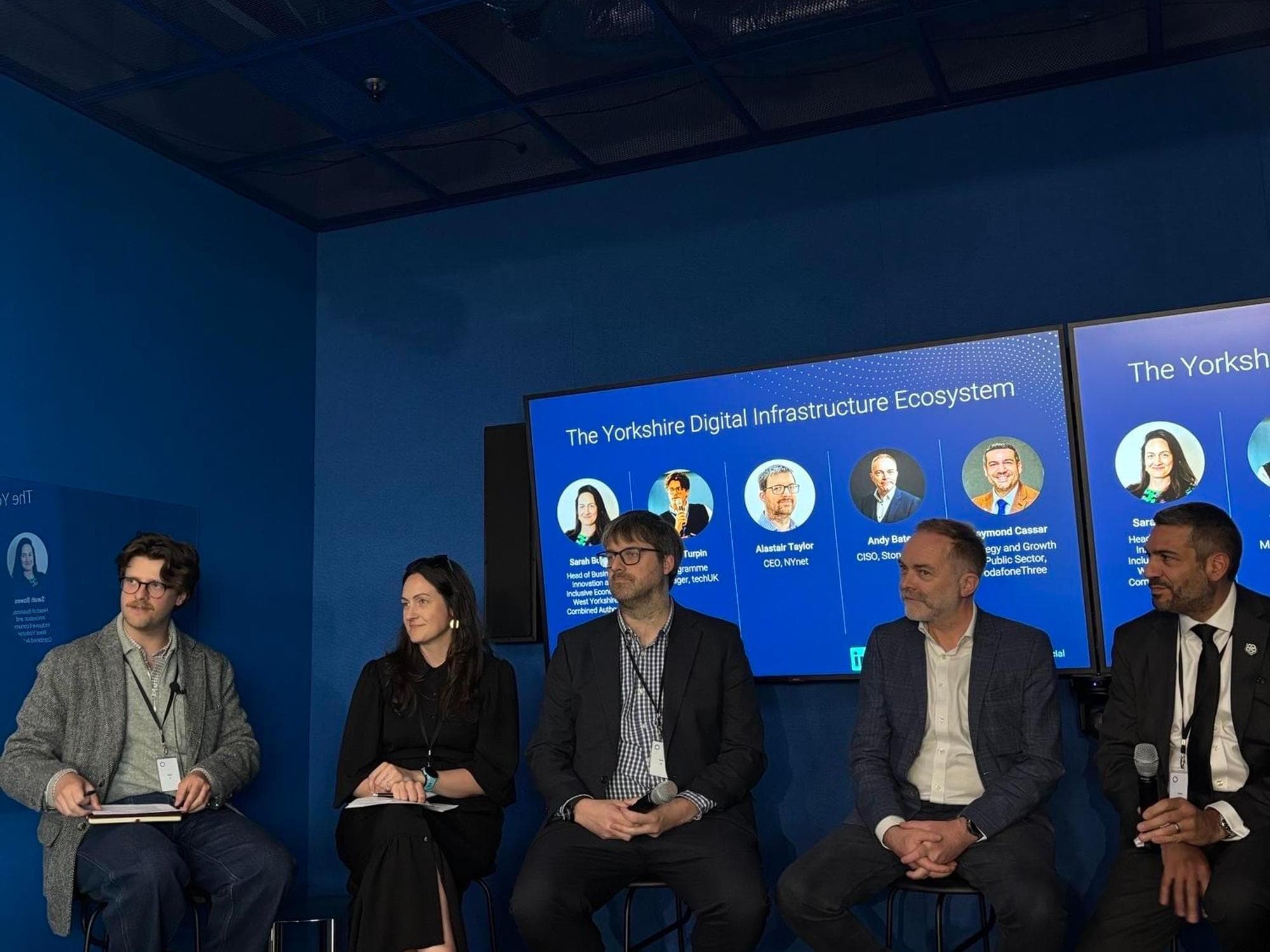
The closing panel brought together Sarah Bowes (West Yorkshire Combined Authority), Ady Rhodes (Comtech), Alastair Taylor (NYnet), Andy Bates (StonesThro) and Raymond Cassar (VodafoneThree) to take stock of the Yorkshire digital infrastructure ecosystem. The panel weighed the maturity of the region's ecosystem today, its greatest strengths and most significant gaps, and how effectively industry, combined authorities and central government are collaborating, including where coordination tends to break down. Discussion turned to what it would take to attract significantly more private investment into the region, and how to ensure the benefits of improved connectivity are felt across all of Yorkshire's communities, including those most at risk of being left behind. The session closed by looking a year ahead: the one thing that would make the biggest difference to Yorkshire's digital infrastructure, and how we would know it had worked.
What's next?
Yorkshire continues to demonstrate how regions can turn connectivity investment into tangible economic and social outcomes. techUK will continue to work with members, policymakers and regional partners to ensure telecoms and digital infrastructure are recognised as foundations of economic growth, resilience and innovation.
With thanks to our speakers, partners and everyone who attended. To find out more about techUK's Telecoms Programme, visit the programme page.