Unlocking Interoperability in Robotics with Self-Sovereign Digital Wallets
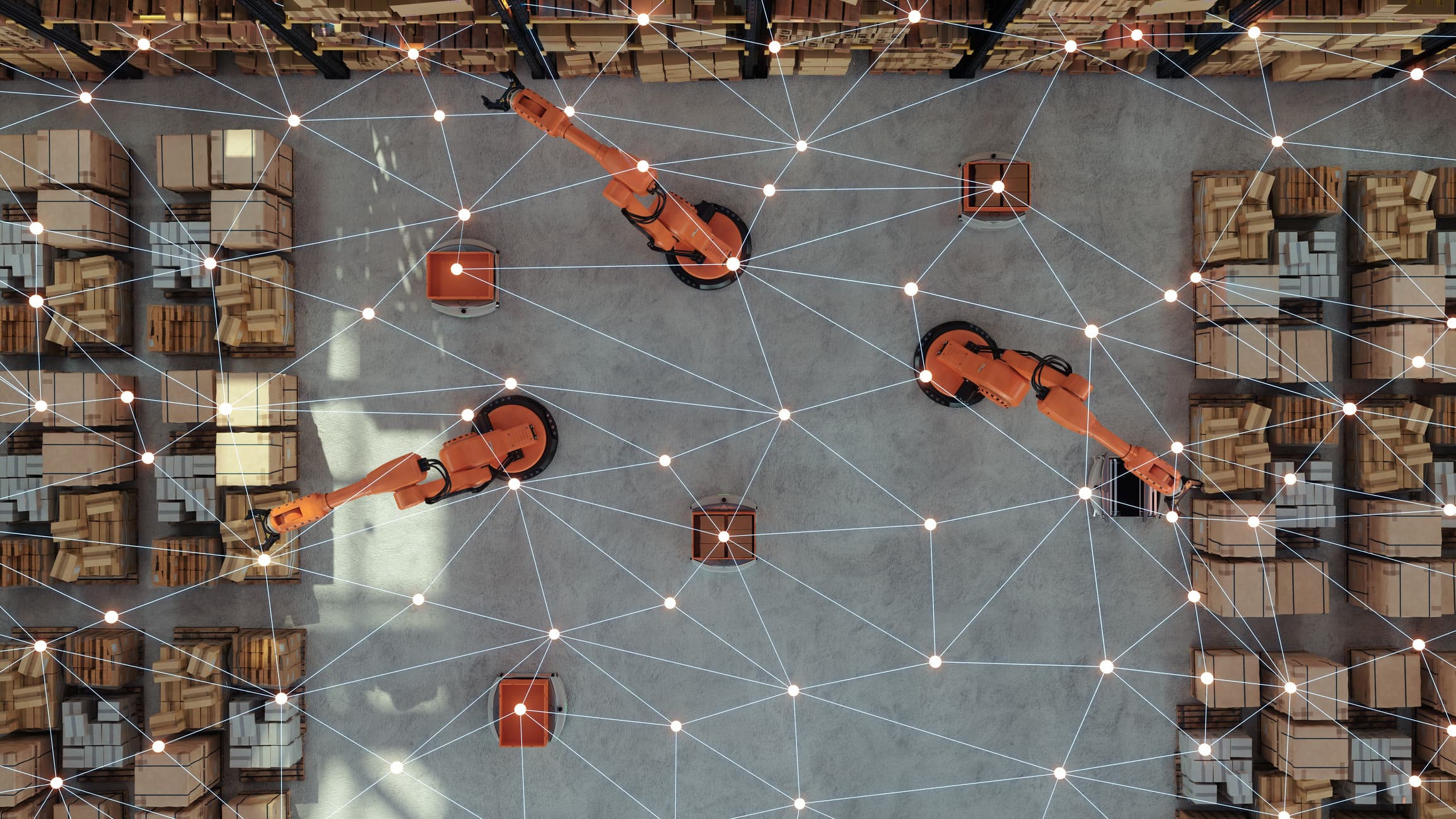
As robotics continue to transform industries—from manufacturing and logistics to healthcare and smart cities—one of the key challenges remains interoperability. The ability of robots to communicate, coordinate, and securely exchange data is critical to their effectiveness. Traditional centralized control models often lead to inefficiencies, security vulnerabilities, and limited cross-platform compatibility. To address these challenges, Self-Sovereign Digital Wallets offer a revolutionary approach to secure, autonomous, and verifiable machine-to-machine (M2M) communication.
The Need for Secure and Interoperable Robot Communication
With the rapid deployment of autonomous systems, organizations face a growing need for robots to interact seamlessly with other machines, IoT devices, and human operators. Current communication methods rely on fragmented and proprietary protocols, making interoperability a costly and complex endeavour. Security risks such as data breaches and unauthorized access further complicate large-scale robotic deployments.
By leveraging decentralized identity and verifiable credentials, Self-Sovereign Digital Wallets provide a trust framework that enables robots to authenticate, verify, and exchange information in real-time. This decentralized approach ensures that robots operate securely across diverse ecosystems without reliance on a single point of control.
Collaborative R&D for a Circular Economy in Industrial Robotics
The ESPRC funded Circular Robot 5.0 R&D project is a collaboration between universities and industry to improve the accountability of robots in manufacturing. The collaboration includes specialists in the use of robotics in the health, energy and construction sectors in pioneering a data-driven approach to sustainable industrial robotics with potential across entire UK industrial sector. By harnessing AI-powered predictive maintenance, blockchain-based traceability, and comprehensive life-cycle assessments, the project aims to extend the operational life of industrial robots while enabling the remanufacturing and recycling of critical raw materials. This holistic approach, encompassing the entire life cycle of a robot, or "circular robotics", evaluates both its productive performance and environmental impact, laying the foundation for a truly circular economy in the field.
How Digital Wallets Enhance Robotic Control and Collaboration
1. Decentralized Identity for Autonomous Systems
Each robot is assigned a unique digital identity stored in a self-sovereign wallet. This enables secure authentication, reducing reliance on centralized databases that are prone to hacking and failures. Robots can identify and verify each other autonomously, fostering trust across multi-vendor environments.
2. Verifiable Data Exchange
Digital wallets utilize cryptographically verifiable credentials, ensuring that data shared between robots and external systems is accurate and tamper-proof. This is particularly valuable in mission-critical applications such as autonomous vehicle coordination, industrial automation, and robotic healthcare assistants.
3. Dynamic Access Control
Through decentralized authorization mechanisms, organizations can define dynamic access policies. For example, a logistics robot may only be permitted to communicate with warehouse drones within a specific operational zone, preventing unauthorized data exposure.
4. Interoperability Across Platforms
Traditional robotic systems often require custom integrations to work across different manufacturers’ ecosystems. Self-Sovereign Digital Wallets standardize communication protocols, enabling robots from different vendors to collaborate seamlessly. This eliminates costly middleware solutions and enhances system scalability.
5. Improved Security and Compliance
Regulatory compliance is a significant concern in sectors such as healthcare and finance, where robots handle sensitive data. By leveraging decentralized cryptographic signatures, Digital wallets provide audit trails and ensure compliance with data protection regulations, including GDPR and ISO security standards.
Real-World Applications of Digital Wallets in Robotics
Smart Manufacturing: Robots can autonomously verify parts, track assembly progress, and interact with supply chain partners securely.
Autonomous Transportation: Vehicles equipped with self-sovereign identities can negotiate right-of-way, validate environmental data, and communicate with smart city infrastructure.
Healthcare Robotics: Medical robots can authenticate patient interactions, securely share health data with approved practitioners, and ensure compliance with privacy regulations.
Agriculture Automation: Drones and robotic harvesters can exchange real-time data on soil conditions, pest control, and crop monitoring while maintaining data integrity.
In this context, circular robotics also represents a commitment to sustainable design: robots built with modularity, ease of disassembly, repair, and recycling, all intended to minimize waste and maximize material longevity.
The Future of Robot Autonomy
As automation advances, the ability for robots to independently communicate and make trusted decisions will become a defining factor in the success of Industry 4.0. Self-Sovereign Digital Wallets offer a scalable and secure foundation for this future, enabling robotic ecosystems that are not only more interoperable but also more resilient and efficient.
By embracing decentralized identity and verifiable credentials, industries can unlock the full potential of robotics—achieving greater collaboration, security, and autonomy. UK automation and productivity depends on pioneering projects such as the ESPRC Circular Robotics 5.0 fpr a place at the forefront of this industrial transformation, empowering robots to operate with unprecedented levels of trust and control.
For more insights on digital identity in robotics and how Katlas is shaping the future, visit https://katlastechnology.com/rca-robotics-lab-leads-vital-research-into-circular-economy-for-robots/ or connect with TechUK’s innovation network.
techUK – Unleashing UK Tech and Innovation
The UK is home to emerging technologies that have the power to revolutionise entire industries. From quantum to semiconductors; from gaming to the New Space Economy, they all have the unique opportunity to help prepare for what comes next.
techUK members lead the development of these technologies. Together we are working with Government and other stakeholders to address tech innovation priorities and build an innovation ecosystem that will benefit people, society, economy and the planet - and unleash the UK as a global leader in tech and innovation.
For more information, or to get in touch, please visit our Innovation Hub and click ‘contact us’.